ChatGPT redraws images, Meta launches Muse: Sept. 9
ChatGPT speeds up image work, Meta launches an agent that can buy, and DaVinci Resolve puts AI assistants inside the edit suite.
Some links below are partner links. If you buy through one, The Memo earns a commission at no extra cost to you. How we make money.
In this briefing
ChatGPT can now turn a rough sketch into a finished campaign image, while Meta has released an AI agent that can browse, book and buy. That changes the day for small creative teams and hints at a bigger shift for every seller: software is moving from suggesting work to carrying it out.
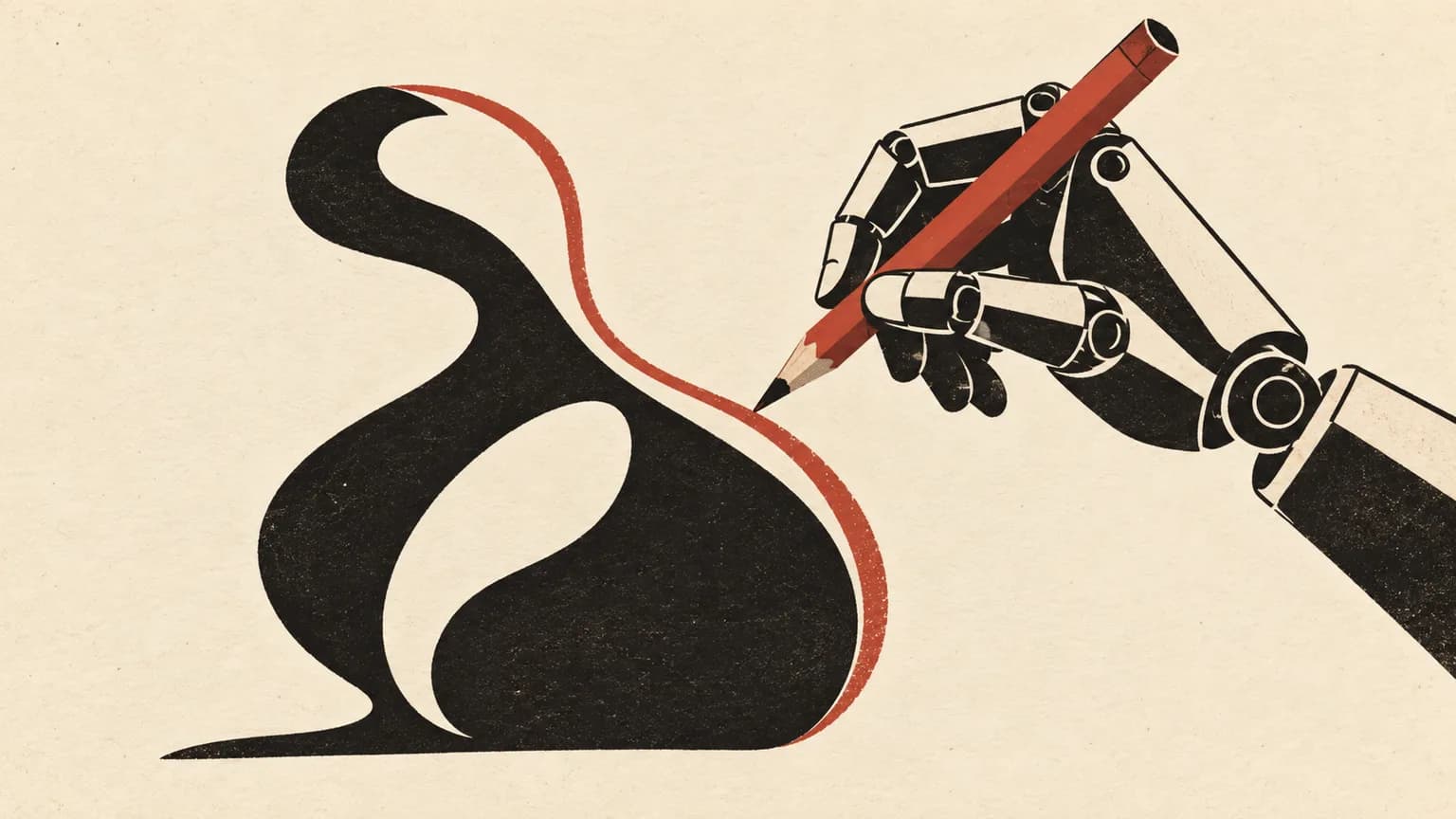
OpenAI makes image revisions less painful
OpenAI released ChatGPT Images 2.5 on September 8, cutting generation time by up to 50% compared with Images 2.0. The company says the model better preserves people and products from reference photos, keeps earlier changes intact through several rounds of editing and handles transparent backgrounds more reliably. It is rolling out across all ChatGPT tiers.
The practical additions may matter more than the model score. Sketch lets you draw a crude layout inside ChatGPT, while image comments let you point at the exact area that needs changing. Templates cover common jobs such as flyers and product photos. For an owner who currently explains every revision in a long prompt, that removes a lot of translation between an idea and a usable draft. OpenAI says people already create more than 3 billion images a week across its image products.
Accuracy still sits with you. A generated bottle, room or menu can look convincing while changing a label, dimension or price. Our AI product photography workflow explains the checks that belong between generation and publication.
Your move
Meta gives Muse permission to act
Meta introduced Muse on September 8 as a personal AI agent, meaning software that can complete a multi-step task instead of merely answering a question. Muse runs a dedicated online computer with its own browser. It can fill forms, book appointments, contact customer service and make purchases, while asking for approval before sensitive actions such as sending an email or paying.
Muse also works through WhatsApp and can connect to email, calendars and Instagram. Meta says conversations with Muse are not shared with its advertising systems. The product has a free usage allowance and a paid subscription after that limit, although the launch page does not publish the limit or price.
The immediate use for a small business is narrow: supervised admin work with clear rules. The larger consequence is customer behavior. If agents increasingly compare options and complete purchases, clear prices, policies and availability become machine-readable sales material. Review your site as if the visitor were software looking for one unambiguous answer. Our coverage of AI customer-service tools is useful context, but Muse sits on the buyer's side of the counter.
DaVinci Resolve lets assistants run the edit desk
Blackmagic Design shipped DaVinci Resolve 21.1 on September 8 with support for ChatGPT and Claude inside the video editor. Users can ask an assistant to organize footage, create highlight edits or render many files in a batch. The release also adds more than 100 editing and color controls, plus subtitle support for shared presentations.
This is meaningful for a team that produces recurring clips from webinars, interviews or product demonstrations. Sorting footage and exporting versions are expensive because they consume attention, even when they require little judgment. The new integration can hand those repetitive steps to an assistant without moving the project into a separate browser tool.
Don't automate the final watch. Check names, captions, cuts and the last frame before anything reaches customers. Teams deciding where AI belongs in video production can use our comparison of AI video ad tools to separate editing work from presenter generation.
Mercury pushes model costs down again
Inception launched Mercury 2.5 on September 8 at a standard price of $0.20 per million input units and $0.75 per million output units. A unit, usually called a token, is a small piece of text processed by the model. The company is temporarily discounting those rates by 80% and claims output speed of 1,107 tokens a second.
Most owners will never buy Mercury directly. They should still care. Lower model costs give software vendors more room to include AI work in a normal subscription, or more margin if they keep charging the same usage fee. When an AI supplier renews your contract, ask which model handles each task and whether recent cost drops are reflected in your bill. Our ChatGPT pricing breakdown shows why app subscriptions and behind-the-scenes model charges should be treated as separate expenses.
Worth watching
- Anthropic told affected Claude users that password-stealing malware had captured login sessions and consumed their allowances. Unexpected usage can signal an account breach as well as a billing problem.
- Chrome has moved major releases from every four weeks to every two weeks. Google says faster updates shorten the time between a public security fix and protection reaching users, so managed computers need a reliable browser-restart policy.
- OpenAI is keeping invisible watermarks and C2PA records, which are digital labels showing an image's origin, on Images 2.5. Buyers and platforms are getting more ways to inspect how commercial visuals were made.
Sources: OpenAI, Meta, Blackmagic Design, Inception
About The Memo
The daily brief on AI and marketing. What changed in AI tools, search, ads and growth, why it matters, and the move to make this week. How we work
The daily Memo
One short email each morning when something in AI or marketing actually changes, with the move to make.
Free. Every morning. Unsubscribe anytime.
Keep reading
Related briefings

Pinterest sells visual search, Meta remakes creators: Sept. 18
Pinterest opens visual search to advertisers, Meta combines its creator tools, and OpenAI launches a legal AI product for law firms.

OpenAI launches Astra, Google adds voice: Sept. 4
OpenAI launches GPT-6 Astra, Google adds voice to daily work, Meta prices data sharing, and Nvidia buys Hugging Face.
Marketing stack audit with AI 2026: cut wasted spend
Run a marketing stack audit with AI in 2026 to find duplicate software, broken tracking, unused features, and risky data habits before renewal.